Opengl Wallhack Cs 16 Top Upd May 2026
The downfall of OpenGL wallhacks came with the advancement of anti-cheat software and updates to the game and graphics drivers. Many of the exploits that made OpenGL wallhacks possible were patched, and detection algorithms were updated to identify and flag suspicious activity related to these cheats. As a result, the prevalence of OpenGL wallhacks decreased significantly over time. The use of wallhacks, including those based on OpenGL, had a profound impact on the CS 1.6 community. For many players, the existence of such cheats detracted from the gaming experience, leading to frustration and disillusionment. Professional players and teams often had to deal with accusations of cheating, which could ruin their reputation and careers.
The use of OpenGL for wallhacks was innovative because it didn't require direct modification of the game's source code. Instead, it leveraged the flexibility of OpenGL to achieve the desired effect. This method was particularly popular among CS 1.6 players because it offered a seemingly undetectable way to gain a significant advantage. During the peak of CS 1.6's popularity, OpenGL wallhacks became a staple in the cheating scene. Players could easily download and install software that enabled wallhacking, making it a widespread issue in both casual and competitive matches. However, as with any cheat, anti-cheat developers and game administrators worked tirelessly to detect and counter these hacks. opengl wallhack cs 16 top
In the realm of competitive first-person shooter games, Counter-Strike 1.6 (CS 1.6) has maintained a significant following since its release in 1999. Known for its fast-paced gameplay and competitive esports scene, CS 1.6 has seen numerous cheats and hacks over the years, with one of the most notorious being the OpenGL wallhack. This article explores the concept, evolution, and impact of OpenGL wallhacks in CS 1.6, shedding light on why it remains a topic of interest among top players and enthusiasts alike. Wallhacks are cheats used in first-person shooters that allow players to see through walls and other obstacles, giving them a significant advantage over their opponents. In CS 1.6, wallhacks became a prevalent cheat, used primarily to gain an unfair advantage in competitive and casual play. Among the various types of wallhacks, OpenGL wallhacks stand out due to their method of operation and the era they were most popular. OpenGL Wallhacks Explained OpenGL (Open Graphics Library) is a cross-platform API for rendering 2D and 3D graphics. In the early 2000s, some clever programmers discovered how to exploit OpenGL's capabilities to create wallhacks for CS 1.6. These wallhacks worked by manipulating the game's rendering engine to display objects or players behind solid surfaces, essentially allowing users to "see through" walls. The downfall of OpenGL wallhacks came with the
See Through the Fakes.
Know What's
Real.
Instant AI Detection at Your Fingertips Don't let AI-generated images deceive you. WasItAI provides quick
reliable results to help you make informed decisions about the content you encounter online.

Step 1
Upload Your Image. Drag and drop your photo or enter the image URL.

Step 2
Let WasItAI Work its Magic. Our AI platform analyzes the image.

Step 3
Get Your Results. Discover if AI is used to generate this image.


Don't Be Fooled by Fakes: How AI-Generated
Images Can Harm You
AI-generated images are becoming
increasingly sophisticated,
but they're also being used for malicious purposes. Here's how:
Fake News and Propaganda
AI can be used to create realistic images of people saying or doing
things they never did. This can be used to spread misinformation, sow discord,
and manipulate public
opinion.
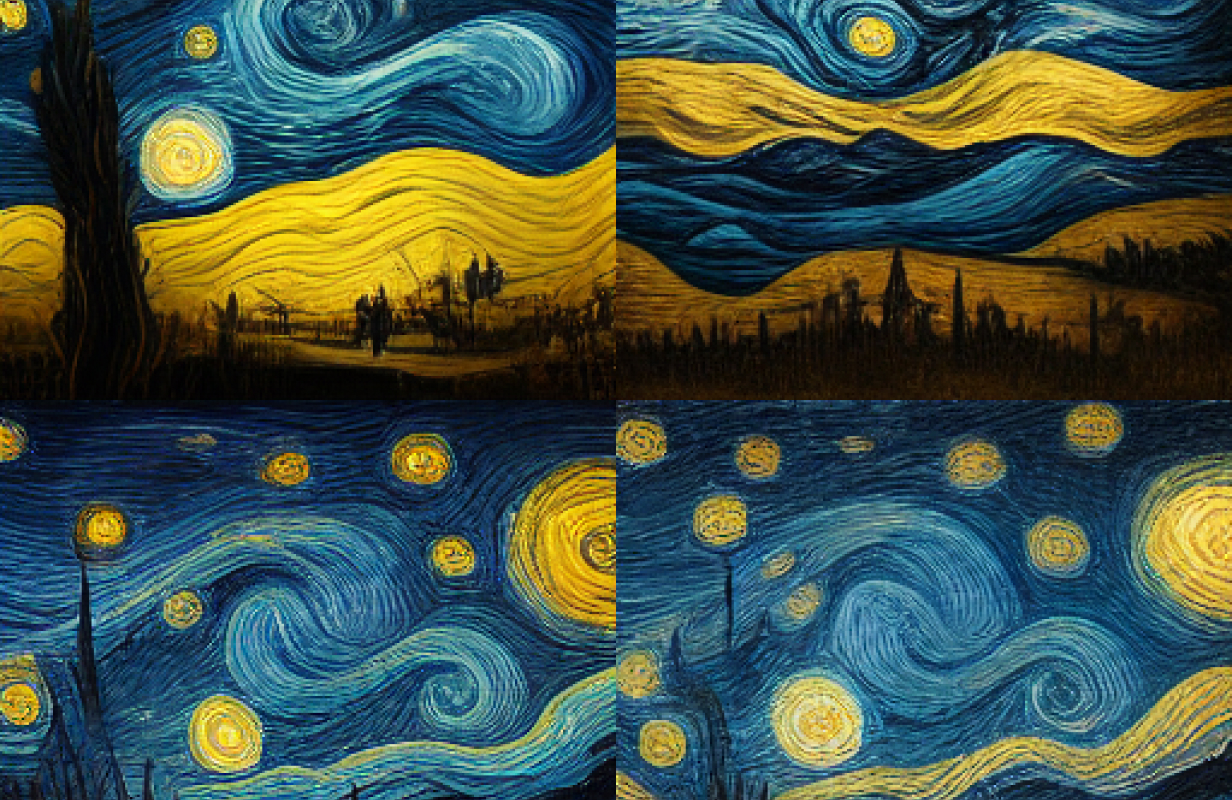
Art Theft and Copyright Infringement
AI can be used to create images that are derivative of copyrighted
works. This can hurt artists' livelihoods and make it difficult to protect
their intellectual property.
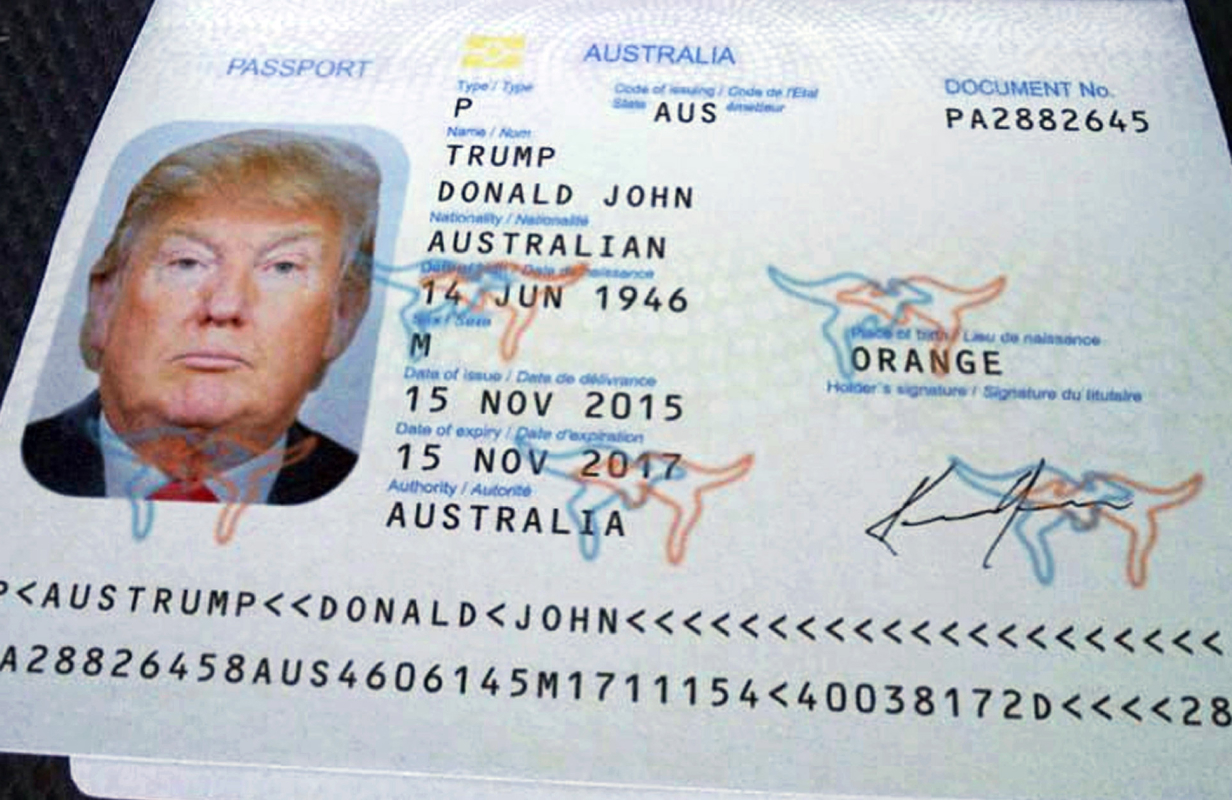
ID Fraud
AI-generated images can be used to create fake
identification
documents. This can be used to commit identity theft, bypass KYC checks on crypto platforms, and
for other
crimes.
AI Travel Scams: Fake Photos Making Fraud Believable
AI can be used to create entirely fake images of hotels, vacation rentals,
and even entire destinations. These visuals make fraudulent listings appear legitimate,
tricking travelers into handing over money for trips that don’t exist.
E-Commerce and Marketplace Scams
AI-generated product photos make fraudulent listings look professional and trustworthy. Sellers use fake images to advertise goods that are low-quality, counterfeit, or don't exist at all — leaving buyers with empty wallets and no recourse.
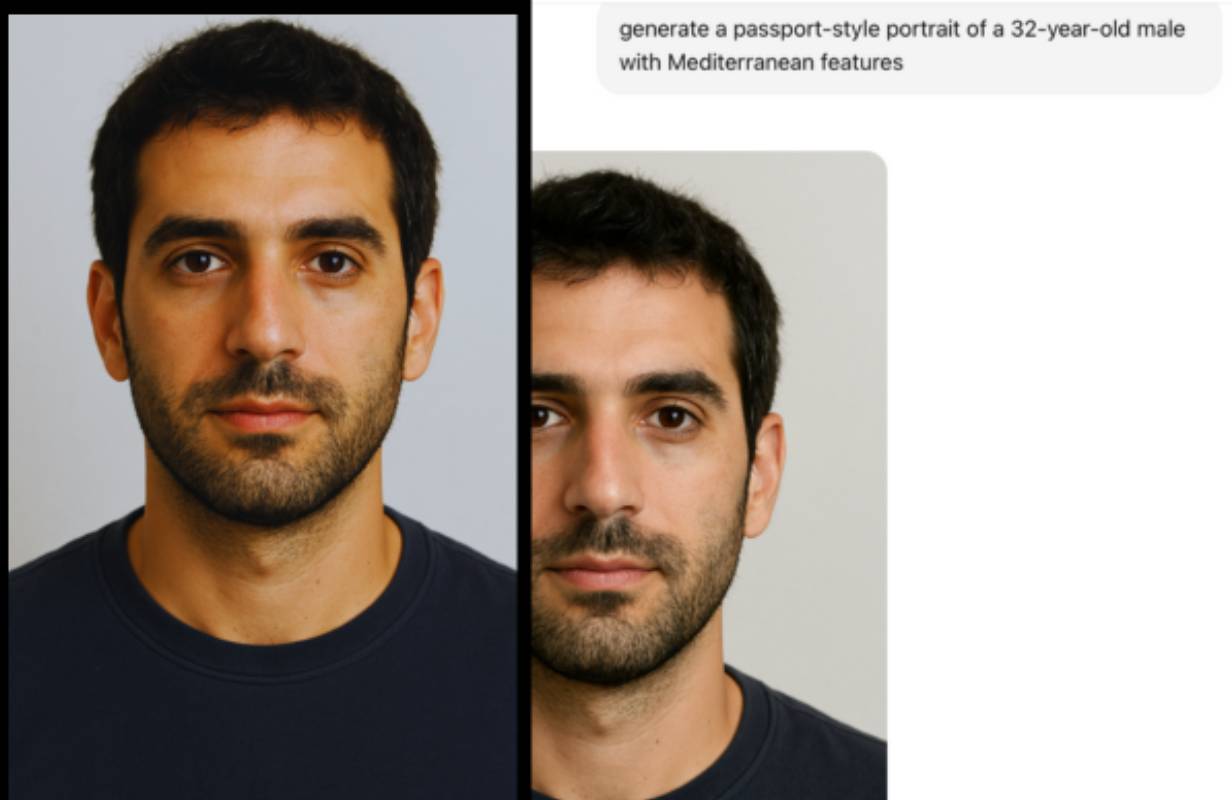
Dating Apps and Social Media Catfishing
Scammers build convincing fake profiles on dating apps and social networks using AI-generated portraits of people who don't exist. Victims form real emotional connections, only to be manipulated into sending money, sharing personal data, or worse.
KYC Bypass and Identity Fraud
AI-generated faces and forged documents are increasingly used to pass Know Your Customer verification on banks, crypto exchanges, and regulated platforms. Fraudsters open accounts, launder money, and commit financial crimes entirely under fictional identities.
The downfall of OpenGL wallhacks came with the advancement of anti-cheat software and updates to the game and graphics drivers. Many of the exploits that made OpenGL wallhacks possible were patched, and detection algorithms were updated to identify and flag suspicious activity related to these cheats. As a result, the prevalence of OpenGL wallhacks decreased significantly over time. The use of wallhacks, including those based on OpenGL, had a profound impact on the CS 1.6 community. For many players, the existence of such cheats detracted from the gaming experience, leading to frustration and disillusionment. Professional players and teams often had to deal with accusations of cheating, which could ruin their reputation and careers.
The use of OpenGL for wallhacks was innovative because it didn't require direct modification of the game's source code. Instead, it leveraged the flexibility of OpenGL to achieve the desired effect. This method was particularly popular among CS 1.6 players because it offered a seemingly undetectable way to gain a significant advantage. During the peak of CS 1.6's popularity, OpenGL wallhacks became a staple in the cheating scene. Players could easily download and install software that enabled wallhacking, making it a widespread issue in both casual and competitive matches. However, as with any cheat, anti-cheat developers and game administrators worked tirelessly to detect and counter these hacks.
In the realm of competitive first-person shooter games, Counter-Strike 1.6 (CS 1.6) has maintained a significant following since its release in 1999. Known for its fast-paced gameplay and competitive esports scene, CS 1.6 has seen numerous cheats and hacks over the years, with one of the most notorious being the OpenGL wallhack. This article explores the concept, evolution, and impact of OpenGL wallhacks in CS 1.6, shedding light on why it remains a topic of interest among top players and enthusiasts alike. Wallhacks are cheats used in first-person shooters that allow players to see through walls and other obstacles, giving them a significant advantage over their opponents. In CS 1.6, wallhacks became a prevalent cheat, used primarily to gain an unfair advantage in competitive and casual play. Among the various types of wallhacks, OpenGL wallhacks stand out due to their method of operation and the era they were most popular. OpenGL Wallhacks Explained OpenGL (Open Graphics Library) is a cross-platform API for rendering 2D and 3D graphics. In the early 2000s, some clever programmers discovered how to exploit OpenGL's capabilities to create wallhacks for CS 1.6. These wallhacks worked by manipulating the game's rendering engine to display objects or players behind solid surfaces, essentially allowing users to "see through" walls.